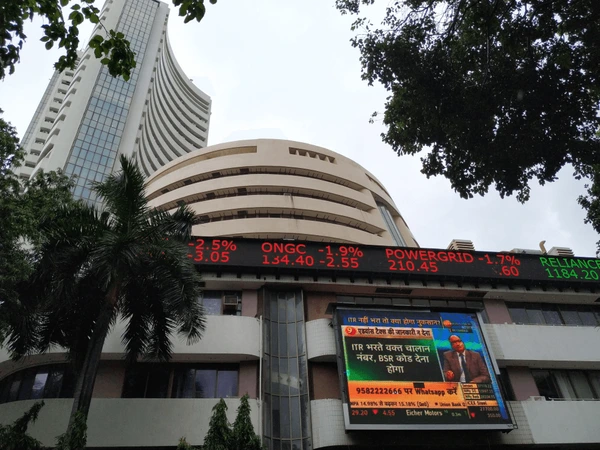

Indian Stock Market, Best Time to Invest (2026 Guide)
Learn the best time to invest in the Indian Stock Market with key trends and timing strategies to make smarter, confident, and profitable investment decisions.
The Indian Stock Market has grown rapidly in recent years, attracting millions of new investors who want to build wealth through equities. But one of the most common questions is: “When is the best time to invest?”While no one can perfectly time the market, understanding patterns, cycles, and strategies can help you make smarter and more profitable decisions. This guide by NexGen Trade explains the best times to invest, especially for stock market beginners, along with insights to strengthen your financial journey.
Understanding the Indian Stock Market
Before identifying the best time to invest, beginners must understand stock market basics such as:Learning these concepts helps you invest with confidence and avoid emotional decisions.
Is There a Perfect Time to Invest in the Stock Market?
Many beginners search for the best stocks to buy today, hoping to enter at the perfect moment. But the truth is:
There is no universally perfect time — only better strategies to maximize returns.
Instead of timing the market, focus on time in the market.
There is no universally perfect time — only better strategies to maximize returns.
Instead of timing the market, focus on time in the market.
Best Time of Day to Invest in the Indian Stock Market
Morning Session: 9:15 AM to 10:30 AM
This period is highly volatile as global market reactions, overnight news, and institutional trades influence movements.
Good for: Not ideal for beginners.
Good for: Not ideal for beginners.
Mid-Day Session: 11:00 AM to 2:00 PM
This is typically the most stable phase of the day.
Best for stock market beginners because:
Best for stock market beginners because:
Closing Session: 2:30 PM to 3:30 PM
Institutional investors and mutual funds usually adjust positions near market closing.
Good for:
Good for:
Best Days of the Week to Invest
While the market can be unpredictable, certain patterns commonly appear:
Mondays
Markets may open lower due to weekend news flow — sometimes offering good buying opportunities.
Wednesdays and Thursdays
These are often more stable mid-week days, helping traders identify clear trends.
Fridays
Can be volatile, especially during global uncertainty or upcoming macroeconomic announcements.
Mondays
Markets may open lower due to weekend news flow — sometimes offering good buying opportunities.
Wednesdays and Thursdays
These are often more stable mid-week days, helping traders identify clear trends.
Fridays
Can be volatile, especially during global uncertainty or upcoming macroeconomic announcements.
Best Time of Month to Invest
Beginning of the Month
Mutual fund inflows cause steady upward movement, creating opportunity for growth.
Market Dips or Corrections
A correction is one of the best times to invest in the Indian Stock Market, especially for long-term investors.
During Quarterly Results
Companies announce financial performance quarterly. Strong results may create excellent long-term entry points.
Mutual fund inflows cause steady upward movement, creating opportunity for growth.
Market Dips or Corrections
A correction is one of the best times to invest in the Indian Stock Market, especially for long-term investors.
During Quarterly Results
Companies announce financial performance quarterly. Strong results may create excellent long-term entry points.
Best Time of Year to Invest in India
Indian markets typically follow certain annual trends:
January to March: Financial Year Ending
Companies push to improve financial statements—often called the "January Effect."
July to September: Monsoon & Q1 Results
Markets fluctuate with monsoon performance, offering opportunities for value investing.
Diwali Season
The Muhurat Trading session is considered auspicious, especially for stock market beginners starting their investment journey.
Budget Season
Union Budget announcements influence sectors like banking, infrastructure, healthcare, and energy.
January to March: Financial Year Ending
Companies push to improve financial statements—often called the "January Effect."
July to September: Monsoon & Q1 Results
Markets fluctuate with monsoon performance, offering opportunities for value investing.
Diwali Season
The Muhurat Trading session is considered auspicious, especially for stock market beginners starting their investment journey.
Budget Season
Union Budget announcements influence sectors like banking, infrastructure, healthcare, and energy.
Long-Term Strategy: The Real Best Time to Invest
Rather than asking when to invest, focus on how to invest.
Systematic Investment Plans (SIPs)
SIPs help average out market fluctuations, making them ideal for beginners.
Phased Buying Strategy
Instead of investing all your money at once, divide your capital into parts and enter the market gradually.
Buy During Dips
Corrections offer opportunities to purchase quality stocks at discounted prices.
Systematic Investment Plans (SIPs)
SIPs help average out market fluctuations, making them ideal for beginners.
Phased Buying Strategy
Instead of investing all your money at once, divide your capital into parts and enter the market gradually.
Buy During Dips
Corrections offer opportunities to purchase quality stocks at discounted prices.
What Beginners Should Consider Before Investing
1. Learn Stock Market Basics
Study market concepts, trends, risks, and strategies.
Use trusted sources like NexGen Trade to deepen your understanding.
2. Avoid Emotional Investing
Fear and greed lead to poor decisions. Always follow your plan.
3. Diversify Wisely
Spread investments across sectors such as:
4. Research Before Buying
Do not blindly follow social media tips or hype about the best stocks to buy today.
Check company fundamentals such as:
Top Indicators That Help You Decide When to Invest
Market Sentiment
Greed & Fear Index, FII/DII flows, and economic news.
Technical Levels Macroeconomic Data
Inflation, GDP growth, crude oil prices, and global cues.
Study market concepts, trends, risks, and strategies.
Use trusted sources like NexGen Trade to deepen your understanding.
2. Avoid Emotional Investing
Fear and greed lead to poor decisions. Always follow your plan.
3. Diversify Wisely
Spread investments across sectors such as:
4. Research Before Buying
Do not blindly follow social media tips or hype about the best stocks to buy today.
Check company fundamentals such as:
Top Indicators That Help You Decide When to Invest
Market Sentiment
Greed & Fear Index, FII/DII flows, and economic news.
Technical Levels Macroeconomic Data
Inflation, GDP growth, crude oil prices, and global cues.
Frequently Asked Insights
Should beginners time the market?
No. Beginners should focus on long-term investing and building consistent habits.
Is long-term investing safer?
Yes. Staying invested for years reduces risk and boosts returns through compounding.
No. Beginners should focus on long-term investing and building consistent habits.
Is long-term investing safer?
Yes. Staying invested for years reduces risk and boosts returns through compounding.
Final Thoughts
There is no single “best time” to invest in the Indian Stock Market. Instead, the most
successful investors focus on:
If you are a beginner, start small, learn continuously, and build your portfolio with patience
and discipline. Over time, the market rewards informed and steady investors.
successful investors focus on:
If you are a beginner, start small, learn continuously, and build your portfolio with patience
and discipline. Over time, the market rewards informed and steady investors.
Disclaimer:
This is not investment advice; it is meant to be educational and informative only. There are risks associated with stock market investments; therefore, before making any financial decisions, readers should conduct independent research or consult a licensed financial advisor. The author’s thoughts are their own and may not represent those of NexGen Trade or its affiliates.