

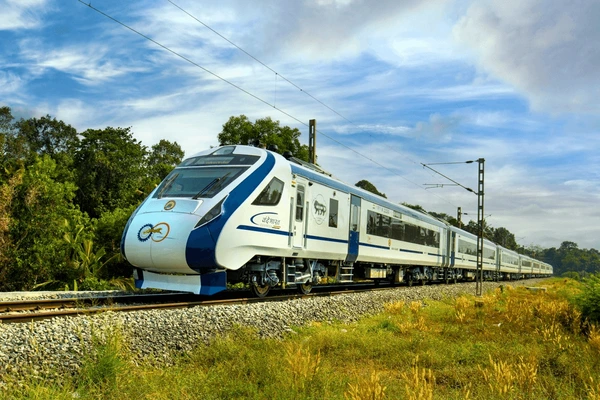
IRCTC Share Price Overview: Understanding India’s Railway PSU
IRCTC share price continues to attract strong attention from investors as Indian Railway Catering and Tourism Corporation (IRCTC) remains a unique and strategically important PSU under the Ministry of Railways. Incorporated in 1999, IRCTC acts as the digital backbone of Indian Railways, managing ticketing, catering, tourism, and travel-related services across the country. Since its listing on NSE and BSE in 2019, IRCTC has evolved into one of the most closely tracked railway stocks in India, thanks to its monopoly business model and consistent profitability.
What is IRCTC? Key Business Areas Explained
IRCTC operates across multiple high-demand segments within the railway ecosystem. Its most dominant role is online ticketing, where it is the sole authorized platform for booking Indian Railways tickets via website and mobile apps. Beyond ticketing, IRCTC manages onboard catering, pantry cars, food station plazas, and e-catering services.
The company also has a strong presence in tourism and hospitality, offering rail-based tour packages, hotel bookings, and luxury train experiences like the Maharajas Express. Additional revenue streams include Rail Neer bottled water, retiring rooms, and travel insurance partnerships. This diversified business structure strengthens IRCTC’s long-term growth profile.
IRCTC Stock Fundamentals and Financial Strength
From a fundamental perspective, IRCTC stands out among railway PSUs. The company has an approximate market capitalization of ₹53,300 crore. For FY25, IRCTC reported revenue of around ₹4,799 crore and a healthy net profit of nearly ₹1,371 crore, reflecting strong margins.
Valuation-wise, IRCTC trades at about 12.5x book value, which investors often consider reasonable given its monopoly status. Recent quarterly results show Q1 FY26 PAT growth of about 7% year-on-year, supported by higher ticketing volumes and improved tourism demand. These numbers indicate stable earnings momentum.
IRCTC Share Price Today: Market Action & F&O Segment Update
As of 23 December 2025, IRCTC share price is trading around ₹680, keeping the stock in focus among top stocks to watch. The broader railway sector has witnessed renewed interest, with IRCTC, RailTel, Jupiter Wagons, and RVNL benefiting from expectations linked to Union Budget 2026.
A major development impacting sentiment is the announcement that IRCTC will be removed from the F&O segment from February 2026. While this move may reduce leverage-based trading and short-term volatility, it could also improve price stability. The stock’s 52-week range stands between ₹656 and ₹838, and it is currently trading closer to the lower end, showing signs of a modest rebound.
Analyst Outlook and Investor Considerations
Analysts remain broadly positive on IRCTC’s long-term prospects. The average 12-month price target is around ₹800+, while bullish forecasts see potential upside toward ₹1,200, assuming favorable policy support and steady earnings growth. Key triggers include railway budget allocations, growth in tourism revenues, and the impact of reduced speculative trading post F&O exit.
For investors, IRCTC offers clear advantages such as monopoly power, diversified revenue streams, and strong brand recall. However, being a PSU, the company remains exposed to regulatory decisions and policy risks. Additionally, removal from the derivatives segment may temporarily affect liquidity. Overall, IRCTC remains a fundamentally strong railway stock suited for long-term investors seeking stability with growth potential.
For investors, IRCTC offers clear advantages such as monopoly power, diversified revenue streams, and strong brand recall. However, being a PSU, the company remains exposed to regulatory decisions and policy risks. Additionally, removal from the derivatives segment may temporarily affect liquidity. Overall, IRCTC remains a fundamentally strong railway stock suited for long-term investors seeking stability with growth potential.
Conclusion
IRCTC continues to remain one of the most valuable railway PSUs in India, backed by its monopoly in online ticketing, diversified revenue streams, and strong financial performance. While the removal from the F&O segment may reduce short-term trading volatility, long-term investors could benefit from stable earnings, tourism growth, and potential policy support in Union Budget 2026. At current levels, IRCTC share price reflects cautious optimism, making it a stock to watch for both investors and market participants focused on the railway sector.
Disclaimer
This blog is for educational and informational purposes only and should not be considered financial, investment, or trading advice. Stock markets are subject to risks, and past performance does not guarantee future results. Always consult a SEBI-registered financial advisor before making any investment decisions. The companies or stocks mentioned here are included solely for learning and research purposes—not as recommendations. NexGen Trade encourages readers to perform their own analysis and invest responsibly.
Frequently Asked Questions
What is IRCTC share price today (23 Dec 2025)?
IRCTC share price is trading around ₹680 on NSE and BSE, with the stock remaining in focus due to railway sector momentum.
Is IRCTC a PSU company?
Yes, IRCTC is a Public Sector Undertaking (PSU) under the Ministry of Railways, Government of India, with around 62.4% promoter holding.
Why is IRCTC being removed from the F&O segment?
IRCTC will be removed from the F&O segment from February 2026 due to exchange eligibility norms, which may lower speculative trading activity.
Is IRCTC share good for long-term investment?
IRCTC is considered a strong long-term stock due to its monopoly business model, consistent profitability, and growing tourism and ticketing demand.
What is the 52-week high and low of IRCTC share price?
IRCTC’s 52-week range is approximately ₹656 (low) to ₹838 (high) during 2025.
What factors can impact IRCTC share price in 2026?
Key factors include Union Budget 2026 railway allocations, tourism growth, regulatory decisions, and the impact of exiting the F&O segment.




Leave a Reply